Hot Tub Services in Eugene
Hot Tub Services We Offer
Keep your spa running at its best with professional care tailored to your needs. Contact us today to schedule fast, reliable service and enjoy your hot tub without the hassle.

Hot Tub Repair
We diagnose and fix issues such as leaks, heater failures, pump problems, and electrical faults to restore your hot tub’s performance quickly and safely.

Hot Tub Moving
Our team handles safe transportation and placement to ensure your spa is moved safely.

Hot Tub Cleaning and Maintenance
Regular cleaning and maintenance help extend the life of your hot tub by preventing buildup, improving water quality, and keeping all components functioning efficiently.

Water Care and Chemical Balancing
We test and adjust your water chemistry to maintain safe, clean, and comfortable conditions while protecting your spa equipment from damage.

Drain and Refill Service
A complete drain and refill removes contaminants and refreshes your spa water, helping maintain hygiene and optimal performance.
Spa Valet Services
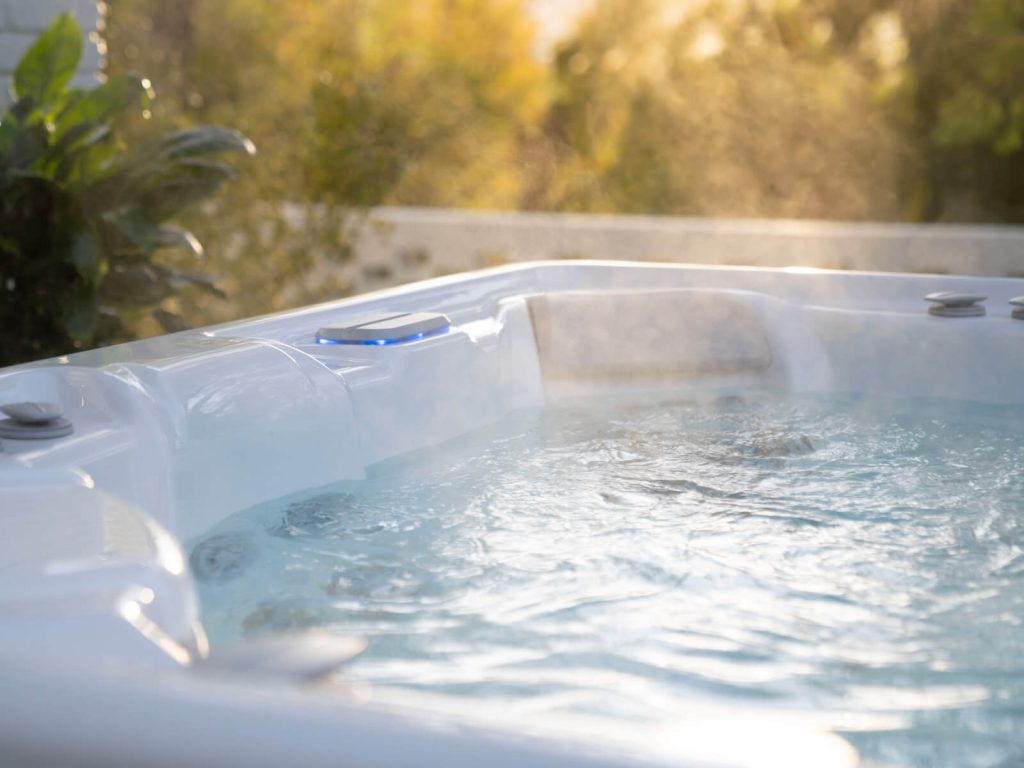
Enjoy worry-free ownership with scheduled visits that include inspections, cleaning, and water care so your hot tub is always ready to use.

Sauna Repair Work
We provide repair services for sauna heaters, controls, and structural components to ensure consistent heat and safe operation.

Custom Requests
Have a specific need or unique issue? We offer tailored solutions to meet your exact requirements and keep your spa experience seamless.
Request a Hot Tub Service!
How often should a hot tub be serviced?
A hot tub should be maintained weekly with basic care such as water testing and filter cleaning, and professionally serviced every 3 to 4 months for deep cleaning and system inspection.
Weekly maintenance includes testing water chemistry, adjusting sanitizer levels, cleaning filters, and removing debris to maintain water clarity and safety. Every 3 to 4 months, a full service is recommended, including draining and refilling the water, deep cleaning the shell, inspecting the pump, heater, and jets, and rebalancing chemicals.
High usage, more bathers, or outdoor conditions such as dust, leaves, and temperature changes can require more frequent servicing to prevent damage and ensure consistent performance.
How do I know if my hot tub needs repair or just maintenance?
A hot tub needs maintenance if it still operates but has water quality or performance issues, while it needs repair if there are functional failures like no heat, leaks, or system errors.
Common maintenance issues include cloudy water, foamy water, low jet pressure, clogged filters, and minor odor, all of which are caused by water imbalance or dirty filtration. These are resolved through cleaning, water balancing, and regular servicing.
Repair issues involve core component failures such as a malfunctioning heater, broken pump, electrical faults, or visible leaks. These problems affect the hot tub’s ability to function and require professional diagnosis and part replacement.
Regular servicing helps detect early signs and prevents maintenance issues from turning into costly repairs.
Why is my hot tub water foamy?
Hot tub water becomes foamy when body oils, lotions, detergents, and other organic contaminants build up and act as surfactants, trapping air and creating visible foam on the water surface.
Foam forms because these substances act as surfactants, trapping air and creating bubbles when water is circulated. The most common sources are skincare products, soap residue from swimsuits, and natural oils from skin and hair. Unlike cloudy water, which is typically caused by filtration issues, water imbalance, or suspended particles, foamy water directly indicates a buildup of dissolved contaminants that are not easily removed by filters alone.
To fix foamy water, you should shock the hot tub to break down organic waste, clean or replace the filters, and adjust water chemistry. If foam persists, a partial or full drain and refill is the most effective solution. Preventing foam includes showering before use, avoiding lotions, and maintaining proper sanitizer levels.
What chemicals are needed for hot tub maintenance?
Hot tub maintenance requires four main types of chemicals: sanitizers, pH balancers, alkalinity adjusters, and oxidizers, which work together to keep the water clean, safe, and balanced.
Sanitizers like chlorine or bromine kill bacteria, while pH increasers or decreasers keep water within the ideal range. Alkalinity adjusters help stabilize pH levels, and shock treatments (oxidizers) break down organic contaminants such as oils and sweat. Depending on water conditions, additional chemicals like calcium hardness increaser or scale preventers may also be needed to protect equipment and maintain water clarity.
What does a hot tub cleaning service include?
A hot tub cleaning service includes a complete process of draining the water, deep cleaning all surfaces and components, inspecting the system, and refilling the spa with properly balanced water.
The service usually starts with a full drain to remove contaminated water, followed by thorough cleaning of the shell to eliminate biofilm, scale, and residue buildup. Filters are cleaned or replaced to restore proper water circulation, while jets and plumbing lines may be flushed to remove hidden debris and bacteria. The spa is also checked for visible signs of wear, damage, or maintenance concerns that may require professional service.
After cleaning, the hot tub is refilled and water chemistry is carefully balanced by adjusting sanitizer levels, pH, and alkalinity to ensure safe and clear water. This complete process not only improves water quality but also extends the lifespan of the equipment and prevents future maintenance issues.
How often should I change the water in my hot tub?
Hot tub water should be changed every 3 to 4 months, depending on usage, number of users, and total dissolved solids (TDS) levels, which increase over time and reduce water quality.
Over time, total dissolved solids, body oils, chemicals, and contaminants build up in the water, making it harder for sanitizers like chlorine or bromine to work effectively. Even with regular maintenance, the water becomes saturated and loses its ability to stay clear and balanced. Heavy use, frequent guests, and outdoor exposure to dirt and debris can shorten this interval and require more frequent changes.
Signs that water needs to be changed sooner include persistent cloudiness, strong odors, foaming, or difficulty maintaining proper chemical levels. Draining and refilling the hot tub resets water quality, improves sanitation, and helps protect components like pumps, heaters, and filters from buildup and damage.
Can I move a hot tub to a new location?
A hot tub can be moved to a new location, but it is a complex and high-risk process that requires careful planning, proper equipment, and correct handling to prevent damage.
Moving a hot tub is not just transportation, it includes multiple steps such as draining the water completely, disconnecting electrical wiring, securing internal components, and safely lifting the unit without twisting or bending the frame. Hot tubs typically weigh 700 to 1,100 lbs when empty, and their acrylic shell and internal plumbing are sensitive to uneven pressure. If the tub is tilted incorrectly or lifted from the wrong points, it can cause cracks, pipe disconnections, or long-term leaks that are not immediately visible.
The new location must also be properly prepared before installation. This includes a level and reinforced base such as a concrete pad or deck rated for the weight, proper electrical access that meets safety codes, and enough clearance for ventilation and maintenance access. Transportation itself can involve tight spaces, stairs, fences, or slopes, which significantly increases the complexity and risk. Because of these factors, moving a hot tub is considered a technical task rather than a simple relocation.
Do I need professionals to move a hot tub?
Yes, hiring professionals is strongly recommended because moving a hot tub involves technical, physical, and safety risks that can lead to injury or damage if handled incorrectly.
Professional movers have the right equipment such as dollies, straps, and lifting tools, along with experience in handling tight spaces, stairs, and uneven terrain. They also ensure proper disconnection and reconnection of electrical systems, reducing the risk of injury or costly damage.
Attempting to move a hot tub without expertise can lead to personal injury, property damage, or voided warranties.
What is a spa valet service?
A spa valet service is a recurring professional hot tub maintenance program where technicians regularly clean, inspect, and balance the spa to keep it ready for use.
This service typically includes routine water testing and chemical balancing, filter cleaning, and surface cleaning. Unlike basic owner maintenance, spa valet service is a recurring professional service focused on prevention by maintaining consistent water quality and catching early signs of wear or malfunction.
Depending on the plan, visits can be weekly, biweekly, or monthly, and may also include tasks like topping off water levels, shocking the spa, and seasonal adjustments. It is designed for convenience and reliability, ensuring the hot tub remains clean, safe, and fully operational without the owner needing to manage ongoing maintenance.






HotSpring Spas of Eugene
1942 West 11th Ave.
Eugene, OR 97402
541-230-7727
Hours:
Mon.-Fri. 9am-5:30 pm Saturday 10am-4pm Sunday CLOSED
